Repair that starts with finding the water, not with a quote from the lawn
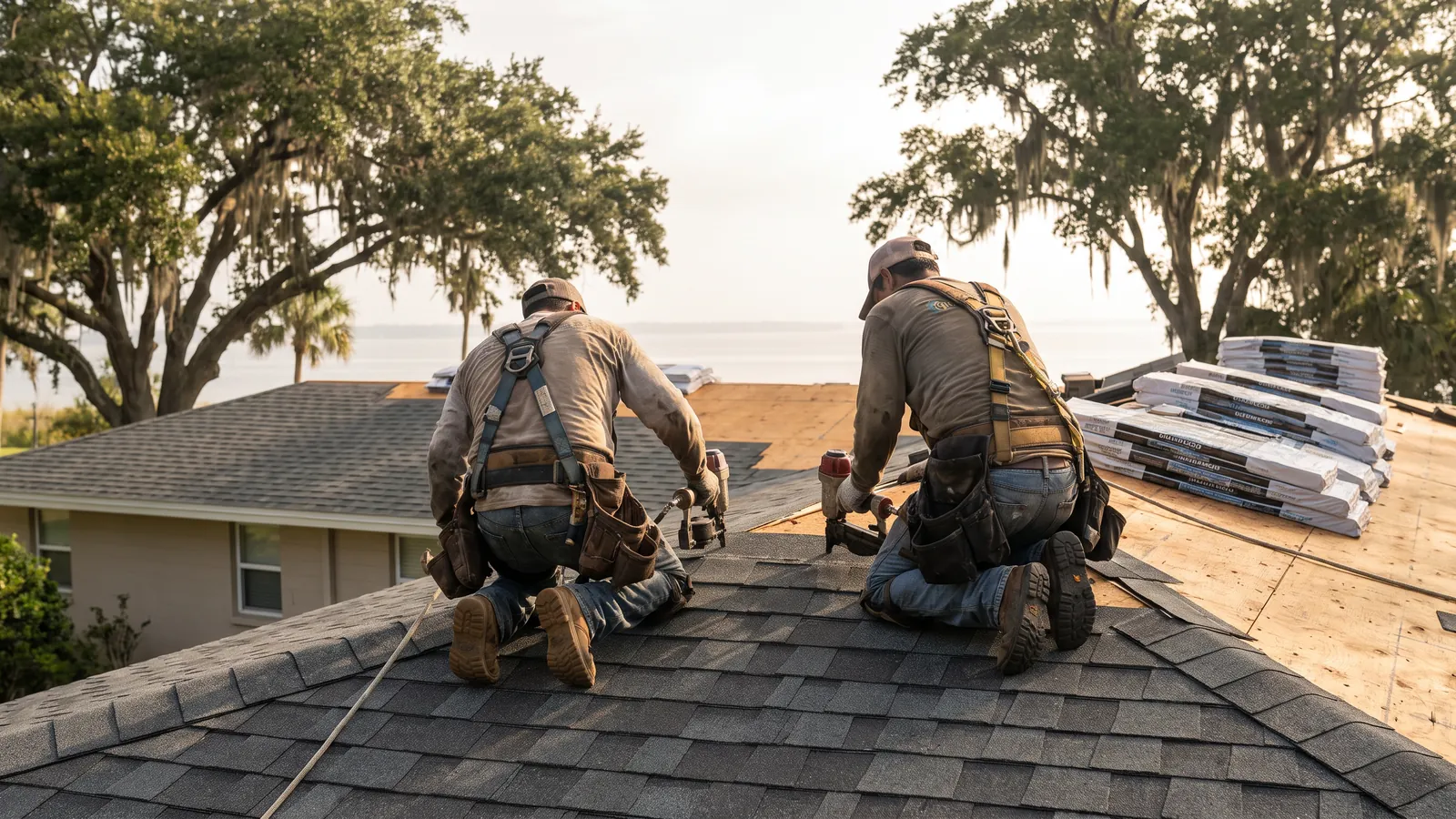
Most roof repairs on this coast come down to a penetration, an edge, or a dozen shingles that lifted in a storm and took the ones beside them with them. Which of those it is decides whether you are spending four hundred dollars or four thousand, and it cannot be established from the ground.
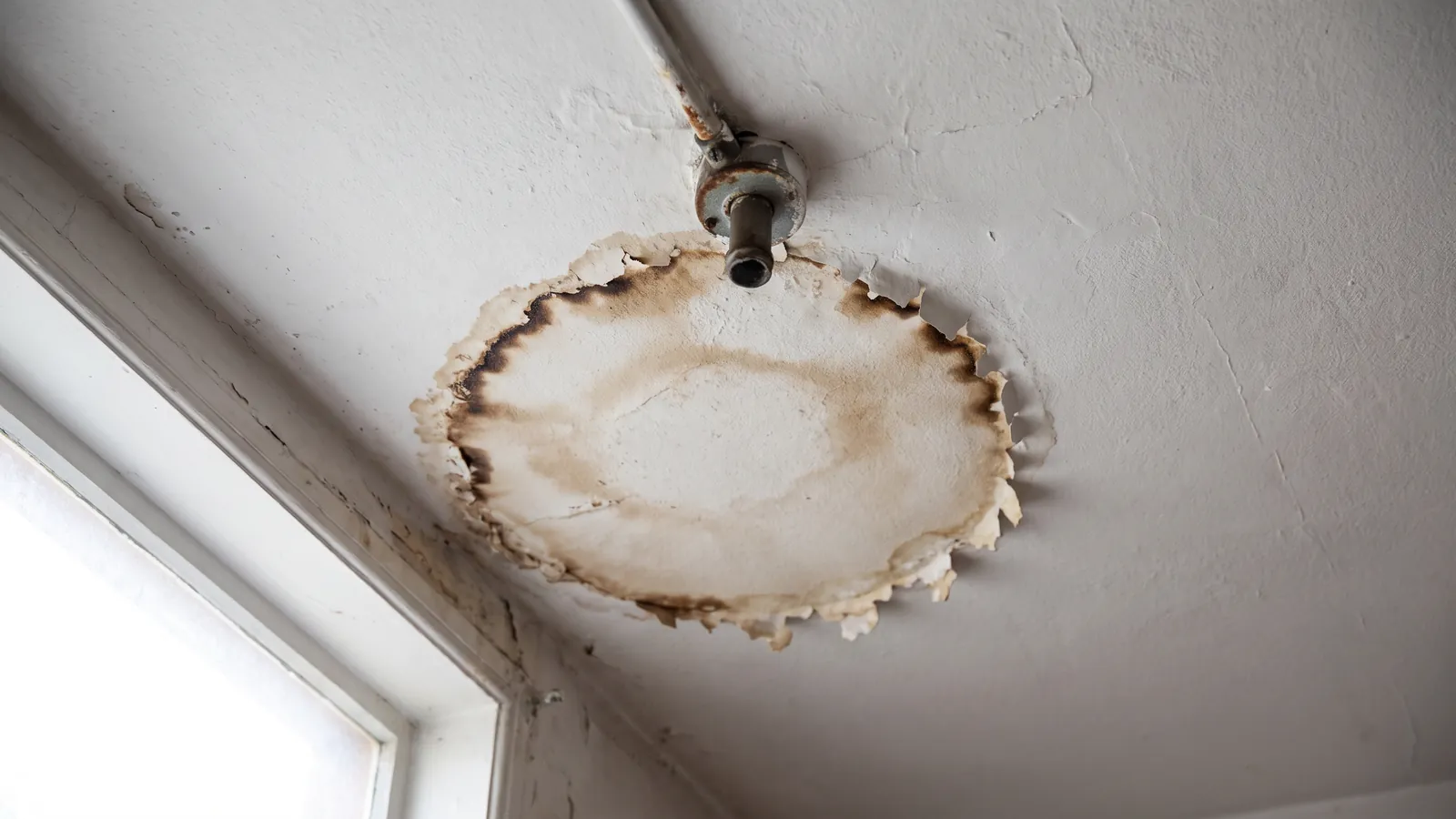
The single most useful thing to know about a roof leak is that the stain inside is almost never directly below the hole. Water enters at a penetration or a lap, runs along the top of the decking or down a rafter until it meets a nail, a joint or a low point, and only then drops. We have traced leaks on this coast that entered eleven feet from where the ceiling was ruined. That is why a proper repair starts in the attic with a torch, looking for the stained path, and works outward to the entry point rather than sealing whatever looks suspicious on the surface.
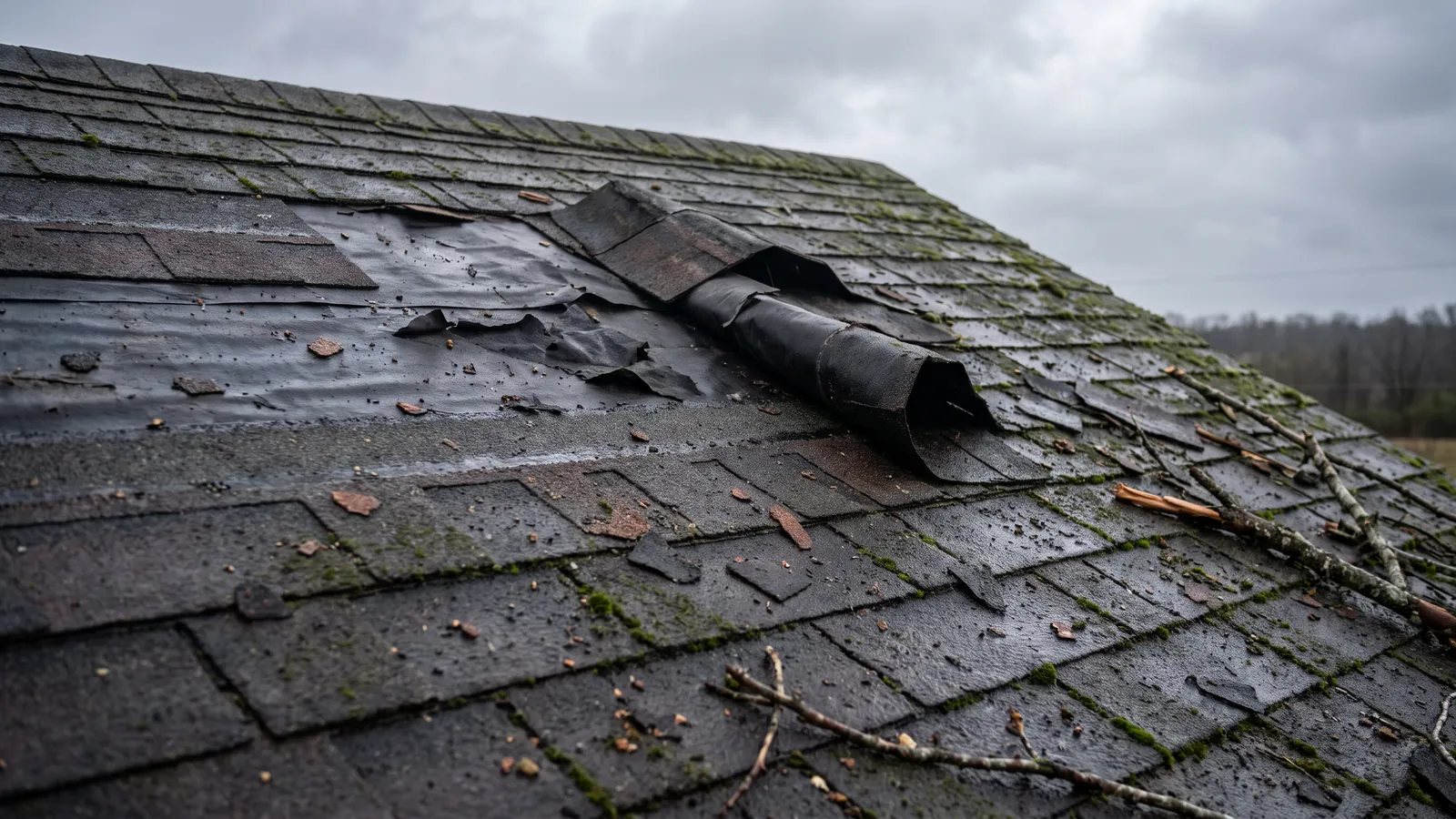
What actually fails here. Rubber vent boots crack in Gulf sun within eight to twelve years and are probably the most common single cause of a residential leak we see. Flashing at walls, chimneys and skylights fails when the sealant behind it perishes, which is a repair rather than a recaulk if it has been going for a while. Nail pops lift a shingle just enough to let water under. Valleys collect everything the roof sheds and fail at the joint. And after wind, shingles go from the rake edges and the ridge, where the uplift is highest — and the courses on either side of an obvious gap are nearly always loose too, even though they are still in place.
Then there is the question of whether it is a repair at all. A fifteen-year-old shingle roof with one failed boot is a repair, straightforwardly. A twenty-two-year-old roof with granule loss, curling at the edges and three separate leaks is a roof at the end of its life being asked to last another winter, and patching it is money spent to delay a decision rather than to fix anything. We will say which one you have, and show you the photographs that make the case either way.
On permits: the City of Gulfport requires a permit on every re-roofing project, but a repair of one square — a hundred square feet — or less is treated as maintenance and does not need one. Most genuine repairs sit comfortably under that. The moment decking is being replaced, however, a permit and a nailing inspection are required before anything covers it. Ocean Springs applies the same one-square rule. Biloxi publishes no reroof requirement, so we ring the Building Division on 228-435-6270 rather than assume.
What's included
Traced, not guessed
The attic gets looked at from underneath and the entry point found, because the stain on your ceiling is rarely under the hole.
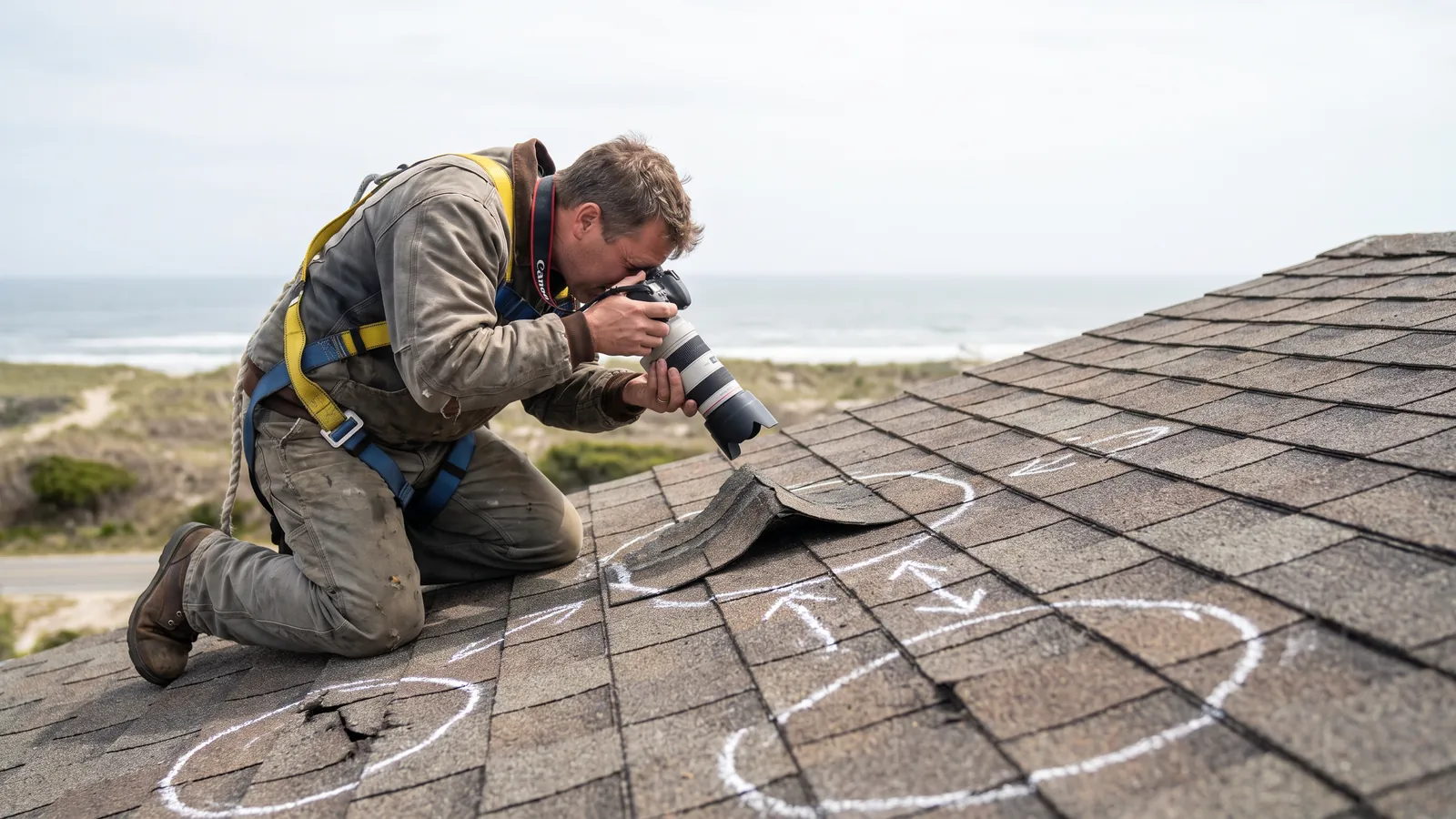
Every slope photographed
Before anything is disturbed, in the form an insurer expects, so a repair that turns into a claim has its evidence already.
Penetrations renewed properly
Vent boots replaced rather than smeared with sealant, flashing re-set rather than recaulked over a failed lap.
Loose courses checked
The shingles either side of a wind gap are nearly always lifted too. Fixing the hole and leaving those means a second visit.
Honest about end of life
A roof with three leaks and curling edges gets told it is finished, with the photographs, rather than patched again.
Permit rules applied
Repairs under one square are maintenance in Gulfport. Decking work needs a permit and a nailing inspection, and we pull it.
Roof repair prices on the Mississippi coast
| Job | Typical price | Notes |
|---|---|---|
| Inspection with photographs | $0 – $195 | Free with a repair; report priced separately |
| Vent boot replacement | $240 – $460 | Per penetration, including the shingle work around it |
| Flashing repair at a wall or chimney | $380 – $900 | Depends on length and whether siding lifts |
| Valley repair | $520 – $1,300 | Open or closed valley, per run |
| Wind-damaged section of shingles | $480 – $1,400 | Includes the loose courses around the gap |
| Nail pops and minor lifting | $290 – $620 | Across a slope, sealed and refastened |
| Decking replacement, per sheet | $160 – $290 | Permit and nailing inspection where required |
| Emergency tarp over the repair area | $380 – $900 | See tarping |
These are 2026 ranges for Harrison, Hancock and Jackson counties, to give you something to plan around. The real figure comes after someone has been on the roof, with the scope, the permit and the inspections itemised; written estimates hold for 30 days.
Recent work
Questions we get about roof repair
How quickly can someone come out?
Same day when water is actively coming in, and usually within a day or two for everything else. After a named storm the queue gets long across the whole coast, which is the argument for having a tarp on and a date booked rather than ringing round for a week.
Can you just patch it for now?
Often, yes, and sometimes that is the right call — a tarp or a temporary repair while a claim is settled or while you decide about a replacement is perfectly sensible. What we will not do is sell you a patch on a roof that needs replacing and let you believe it has been fixed.
Will a repair match my existing shingles?
Close, rarely exact. Shingle colours weather, and manufacturers change blends and discontinue lines. On a visible slope we will tell you honestly how noticeable it will be. On a rear slope it usually does not matter. If matching is critical and the line is discontinued, that pushes the conversation toward the whole slope.
Do I need a permit for a repair in Gulfport?
Not if it is one square — a hundred square feet — or less, which the city treats as maintenance. Above that, or the moment any decking is replaced, yes, and the decking work also needs a nailing inspection before it is covered. Urban Development is on 228-868-5715.
Should I claim on insurance for a repair?
Compare the cost against your deductible before you do anything. A $600 boot replacement on a $2,500 wind deductible is not a claim, it is a bill. Storm damage across several slopes usually is. We document either way, and the decision is yours — see the claims guide.
How long should a repair last?
A properly replaced vent boot or re-set flashing will outlast the rest of the roof. A wind repair lasts as long as the surrounding shingles do, which on a roof already fifteen years in is a known and shrinking number. We will tell you what the roof around the repair has left.